What Is Commercial HVAC Decommissioning and Why Is It Important?
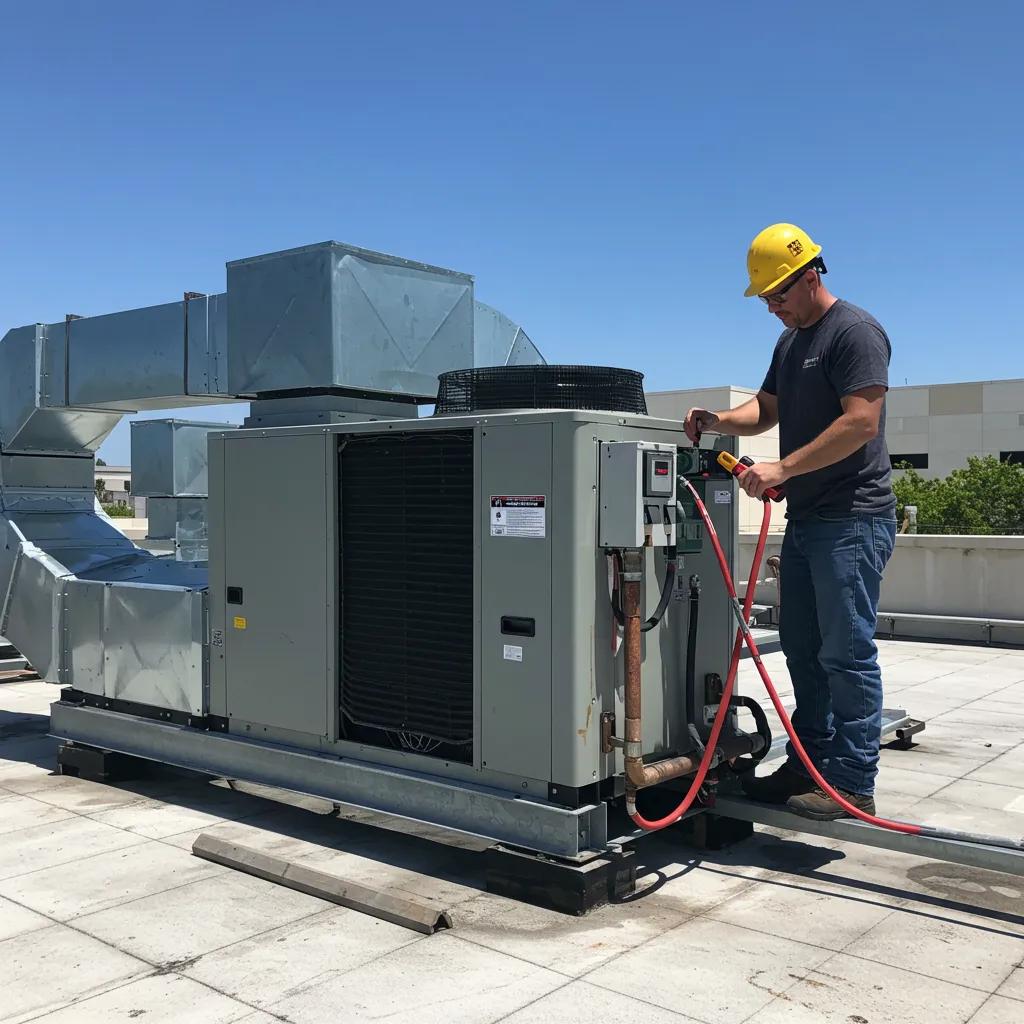
Commercial HVAC decommissioning is the systematic process of safely shutting down, disconnecting, and removing heating, ventilation, and air conditioning equipment from a building. Unlike simply turning off a system, decommissioning involves a carefully planned sequence of steps that ensures regulatory compliance, environmental protection, and workplace safety. For facility managers and building owners in Florida, understanding this process is critical to avoiding costly fines and environmental liability.
Whether you are renovating a commercial space, replacing outdated equipment, or closing a facility, professional decommissioning protects your investment and ensures a smooth transition. CCS Mechanical Inc. specializes in commercial HVAC decommissioning across Florida, delivering EPA-compliant services tailored to each project.
What Does HVAC System Retirement and Removal Involve?
HVAC system retirement and removal is a multi-step process that begins well before any equipment is physically disconnected. A thorough decommissioning project typically involves the following key phases:
- Pre-removal survey and equipment inventory: Technicians document every piece of equipment, including model numbers, refrigerant types, quantities, and connection points. This inventory drives the entire removal plan.
- Lockout/tagout procedures: All electrical, gas, and water connections are safely isolated using OSHA-compliant lockout/tagout protocols to prevent accidental energization during the removal process.
- EPA-compliant refrigerant recovery: Before any equipment can be dismantled, all refrigerants must be recovered using certified recovery machines. This is a federal requirement under EPA Section 608 and carries significant penalties for non-compliance.
- Mechanical dismantling and removal: Once the system is de-energized and refrigerants are recovered, technicians systematically disconnect ductwork, piping, electrical wiring, and control systems before removing the equipment itself.
- Site restoration: After equipment is removed, the area is cleaned, penetrations are sealed, and the space is prepared for new equipment installation or renovation.
Why Decommission Commercial HVAC Systems in Florida?
Florida's unique climate creates conditions that accelerate the deterioration of commercial HVAC equipment. The combination of high humidity, salt air exposure along coastal areas, and intense UV radiation takes a serious toll on outdoor condensing units, rooftop units, and exposed ductwork. Corrosion of copper coils, rusted structural supports, and degraded insulation are common issues that shorten equipment life well below manufacturer expectations.
Hurricane preparedness is another critical factor. Aging rooftop units that are no longer structurally sound can become dangerous projectiles during severe weather events. Proactive decommissioning of deteriorating equipment reduces risk to the building and its occupants while allowing facility managers to plan replacements on their own schedule rather than in an emergency.
Florida's building codes and environmental regulations also incentivize timely decommissioning. Systems running on older refrigerants like R-22 face increasing maintenance costs as these substances are phased out, making planned retirement the most cost-effective path forward.
How Long Do Commercial HVAC Systems Typically Last?
The expected service life of commercial HVAC equipment varies by type, maintenance history, and operating environment. In Florida's demanding climate, systems often reach the end of their useful life sooner than national averages suggest. General guidelines include:
- Rooftop units (RTUs): 12 to 20 years, though coastal installations may require replacement as early as 10 years due to salt air corrosion.
- Chillers: 15 to 25 years for well-maintained systems, with major overhauls often required at the 15-year mark.
- Air handlers: 15 to 20 years, depending on filtration quality and coil maintenance.
When equipment approaches or exceeds these life expectancy ranges, decommissioning and replacement planning should begin. Waiting until catastrophic failure often results in emergency installations at premium costs with limited equipment options.
Environmental and Regulatory Considerations
The environmental responsibilities associated with HVAC decommissioning are significant and legally binding. The EPA requires that all refrigerants be recovered before any appliance is disposed of, scrapped, or recycled. Technicians performing this work must hold EPA Section 608 certification, and the recovery equipment itself must meet EPA standards.
Chain-of-custody documentation is a critical component of compliant decommissioning. Every pound of refrigerant recovered must be tracked from the point of extraction through final disposition, whether that means reclamation, recycling, or destruction. CCS Mechanical maintains detailed records for every project, providing clients with complete documentation that demonstrates compliance in the event of an audit or regulatory inquiry.
Proper refrigerant recovery and documentation is not optional. EPA violations can result in fines up to $44,539 per day per violation under the Clean Air Act.
How Does the Commercial HVAC Decommissioning Process Work?
A successful commercial HVAC decommissioning project follows a structured process designed to maximize safety, minimize downtime, and ensure full regulatory compliance. While every project is unique, the general workflow follows four primary phases:
- Comprehensive site survey and planning: Engineers assess the existing equipment, document refrigerant types and quantities, evaluate structural access, and develop a detailed removal plan including crane placement, rigging requirements, and traffic management.
- Permitting and regulatory coordination: Depending on the project scope and local jurisdiction, permits may be required for crane operations, street closures, hazardous material handling, and demolition activities. CCS Mechanical handles all permitting on behalf of the client.
- Refrigerant recovery and equipment dismantling: Certified technicians recover all refrigerants using EPA-approved methods, then systematically disconnect and remove equipment following the engineered removal plan.
- Recycling, disposal, and documentation: Removed equipment is transported to certified recycling facilities. Metals, refrigerants, and electronic components are separated and processed appropriately. Complete chain-of-custody documentation is provided to the client.
Key Steps in HVAC System Removal
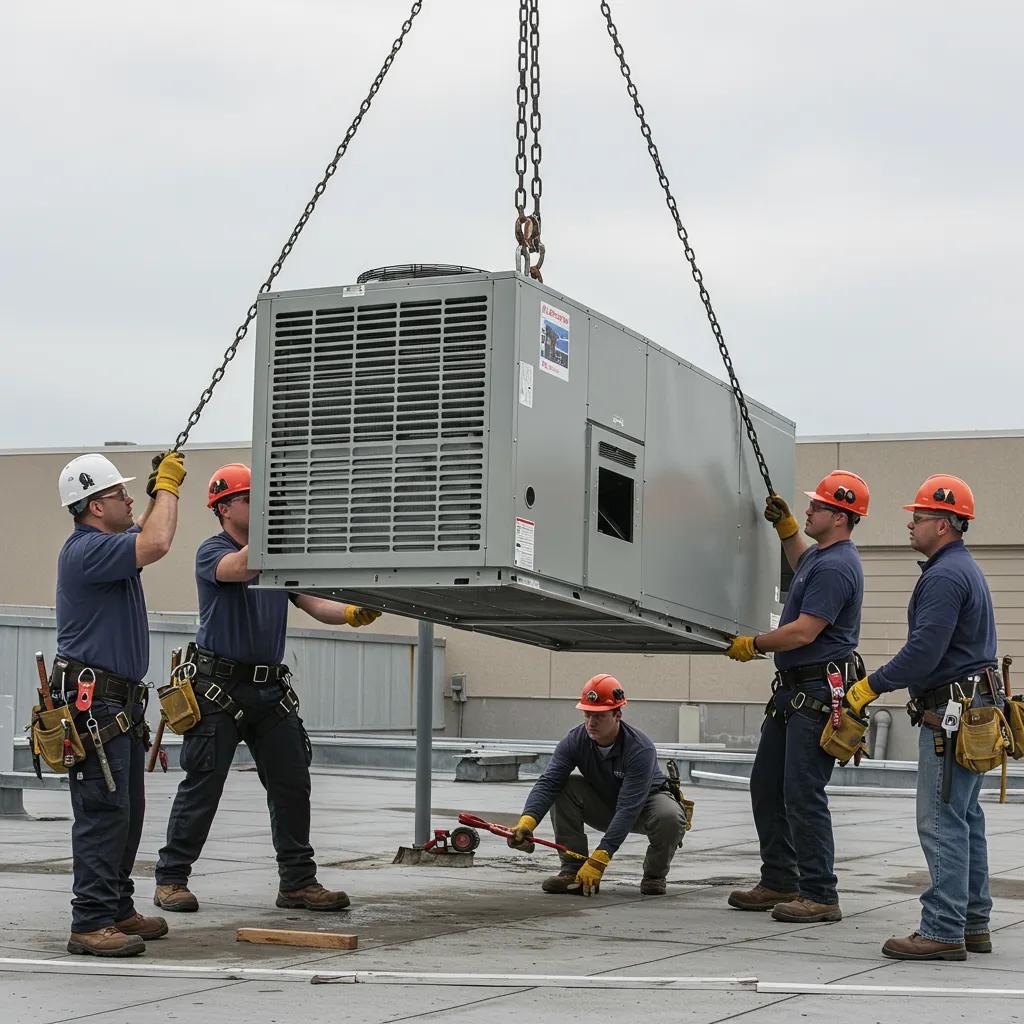
The physical removal of commercial HVAC equipment requires careful coordination between multiple trades. Electrical disconnects must be completed and verified before mechanical work begins. Piping systems carrying refrigerant, water, or steam must be properly drained and isolated. Ductwork connections are sealed to prevent debris from entering the building's air distribution system during removal.
For rooftop installations, crane operations are often required to safely lower heavy equipment to grade level. CCS Mechanical develops detailed lift plans for every crane operation, including load calculations, swing radius clearances, and ground-bearing capacity assessments. This level of planning prevents structural damage to the building and ensures the safety of workers and bystanders.
Refrigerant Recovery and Recycling
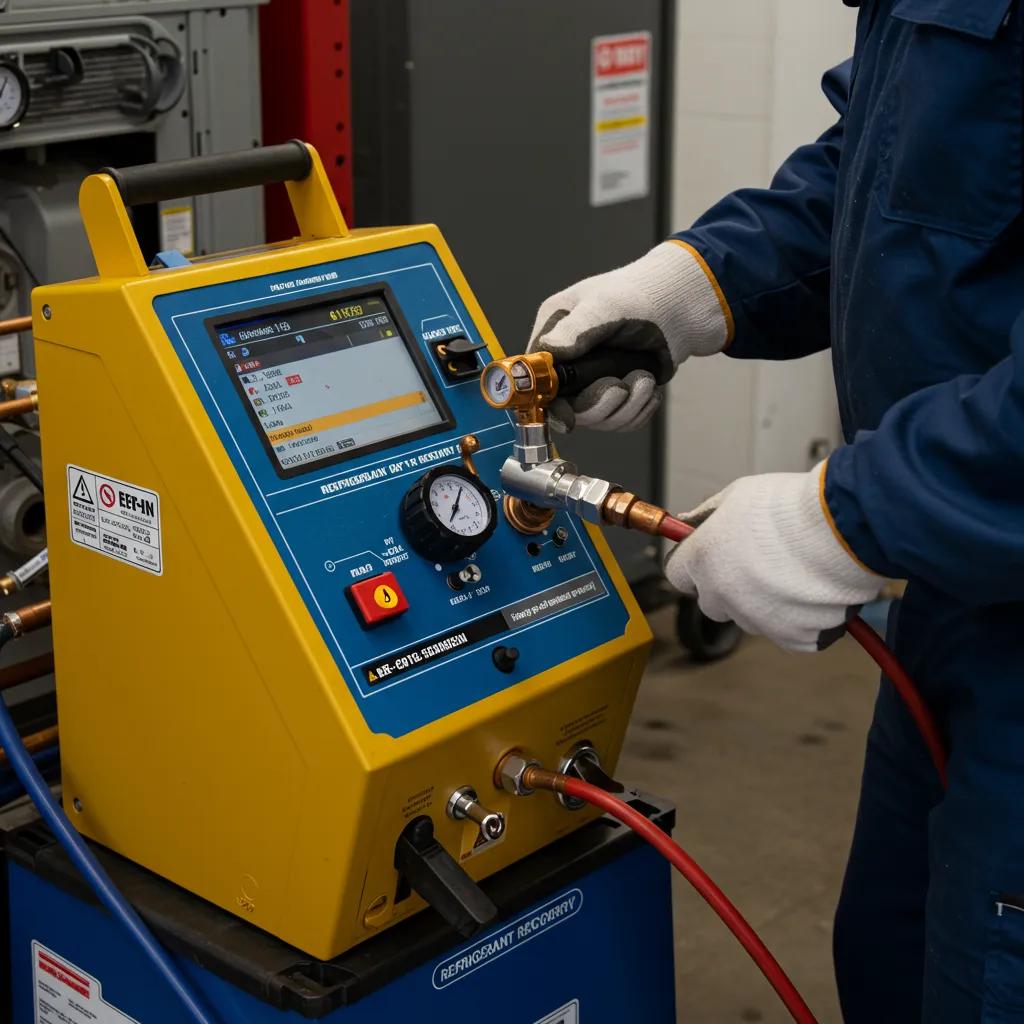
Refrigerant recovery is the single most regulated aspect of HVAC decommissioning. Federal law prohibits the venting of any refrigerant into the atmosphere, regardless of type. CCS Mechanical's EPA-certified technicians use high-capacity recovery machines to extract refrigerants from systems of all sizes, from small split systems to large chiller plants containing hundreds of pounds of refrigerant.
Recovered refrigerants are weighed, documented, and transported to EPA-certified reclaimers where they are purified to AHRI 700 standards for reuse, or properly destroyed if they cannot be reclaimed. This closed-loop process ensures that ozone-depleting substances and greenhouse gases are kept out of the atmosphere.
Safety Protocols
Commercial HVAC decommissioning involves numerous hazards that require rigorous safety protocols. CCS Mechanical follows OSHA standards and industry best practices to protect workers, building occupants, and the public throughout every project.
- Lockout/tagout (LOTO): All energy sources, including electrical, pneumatic, hydraulic, and thermal energy, are positively isolated and verified before work begins.
- Personal protective equipment (PPE): Workers are equipped with appropriate PPE including hard hats, safety glasses, cut-resistant gloves, steel-toed boots, fall protection harnesses, and respiratory protection when required.
- Crane and rigging safety: All crane operations follow OSHA and ASME standards. Certified crane operators and signal persons are used for every lift. Pre-lift meetings review the lift plan, hazard zones, and emergency procedures.
- Confined space entry: When work requires entry into mechanical rooms, plenums, or other confined spaces, CCS Mechanical follows OSHA's permit-required confined space procedures including atmospheric monitoring, rescue planning, and attendant staffing.
Equipment Recycling
Responsible disposal of decommissioned HVAC equipment goes beyond simply hauling it to a landfill. Commercial HVAC systems contain significant quantities of recyclable materials including copper, aluminum, steel, and electronic control components. CCS Mechanical partners with certified recycling facilities to ensure maximum material recovery and minimum landfill impact.
Copper piping and coils, aluminum fins, steel housings, and electric motors are separated and processed at metal recycling facilities. Electronic controls, circuit boards, and variable frequency drives are handled through e-waste recyclers. In many cases, salvage credits from recycled materials can offset a portion of the decommissioning cost, providing a tangible financial benefit to building owners.
| Process Phase | Typical Duration | Key Activities |
|---|---|---|
| Site Survey & Planning | 1 - 2 weeks | Equipment inventory, lift plans, permit applications |
| Refrigerant Recovery | 1 - 3 days | EPA-compliant extraction, weighing, documentation |
| Mechanical Isolation | 1 - 5 days | Lockout/tagout, disconnect utilities, drain piping |
| Dismantling & Removal | 1 - 7 days | Equipment removal, crane operations, site cleanup |
Benefits of Professional HVAC Decommissioning
Investing in professional HVAC decommissioning delivers benefits that extend well beyond simple equipment removal. When performed by experienced mechanical contractors like CCS Mechanical, the process creates opportunities for energy optimization, cost savings, and improved facility performance.
Energy Efficiency and Cost Reduction
Decommissioning aging HVAC equipment creates an opportunity to right-size replacement systems based on current building loads rather than outdated design assumptions. Buildings often undergo changes in occupancy, layout, and usage patterns over time, meaning the original HVAC design may no longer match actual demand. A planned retirement approach allows engineers to perform updated load calculations and specify equipment that precisely matches current requirements.
- Right-sizing reduces energy waste: Oversized systems cycle frequently, reducing efficiency and increasing wear. Properly sized replacements operate at optimal efficiency points.
- Planned retirement avoids emergency costs: Scheduled decommissioning and replacement projects can be competitively bid, reducing costs by 15-30% compared to emergency replacements.
- Modern equipment delivers better performance: New systems offer higher SEER and EER ratings, variable-speed compressors, and advanced controls that can reduce energy consumption by 20-40% compared to equipment installed 15 or more years ago.
Refrigerant Recovery Protects the Environment
Professional refrigerant recovery during decommissioning prevents harmful substances from entering the atmosphere. Many older commercial systems still contain R-22, an HCFC refrigerant with significant ozone depletion potential. Even newer systems using HFC refrigerants like R-410A carry high global warming potential. Proper recovery and reclamation keeps these substances in a controlled cycle rather than releasing them into the environment.
EPA compliance is not just an environmental responsibility but a legal one. CCS Mechanical's recovery processes exceed minimum requirements, ensuring that clients are fully protected from regulatory liability. All recovery activities are documented with weights, dates, technician certifications, and reclaimer receipts.
| Equipment Type | Expected Life | Decommissioning Indicators |
|---|---|---|
| Chiller | 15 - 25 years | Refrigerant leaks, declining COP, compressor failures |
| Rooftop Unit (RTU) | 12 - 20 years | Coil corrosion, structural rust, frequent repairs |
| Air Handler | 15 - 20 years | Motor bearing wear, coil degradation, cabinet corrosion |
Safety and Compliance Advantages
Professional decommissioning eliminates the risks associated with abandoned or partially operational HVAC equipment. Systems that are disconnected but not properly decommissioned can harbor residual refrigerants, contain energized circuits, or create structural hazards on rooftops. CCS Mechanical ensures that every system is fully de-energized, drained, and documented before removal, eliminating these hidden risks.
Complete documentation of the decommissioning process provides lasting value. Permits, refrigerant recovery records, waste manifests, and equipment disposition reports create a defensible record of compliance that protects building owners during property transactions, insurance claims, and regulatory audits.
Decommissioning Supports Renovations
Building renovations and tenant improvement projects frequently require the removal of existing HVAC systems to make way for new layouts and mechanical designs. Professional decommissioning ensures that this work proceeds safely and efficiently, without causing damage to surrounding building systems or creating environmental contamination.
CCS Mechanical coordinates decommissioning activities with general contractors and other trades to minimize disruption to ongoing renovation work. Phased removal schedules can be developed to maintain partial HVAC service in occupied areas while decommissioning proceeds in renovation zones.
Which Facilities Require Decommissioning?
Commercial HVAC decommissioning is required across a wide range of facility types, each with unique challenges and requirements. CCS Mechanical has extensive experience managing decommissioning projects in Florida's most demanding environments.
Hospitals and Healthcare Facilities
Healthcare facilities present the most complex decommissioning challenges due to the critical nature of their HVAC systems. Patient safety depends on maintaining precise temperature, humidity, and air quality conditions at all times, meaning decommissioning must be carefully phased to avoid disrupting occupied patient care areas.
Hospital decommissioning projects typically require HEPA containment barriers to prevent construction dust and debris from entering sterile environments. Redundant HVAC capacity must be verified before any system is taken offline, and infection control risk assessments (ICRAs) guide every phase of the work. CCS Mechanical works closely with hospital facility teams and infection control practitioners to develop removal plans that maintain compliance with Joint Commission and state health department requirements.
Schools and Educational Facilities
School districts often schedule HVAC decommissioning during summer breaks to minimize disruption to the academic calendar. These compressed timelines require detailed pre-planning and efficient execution. CCS Mechanical develops accelerated schedules that maximize the available work window while maintaining safety and compliance standards.
When summer scheduling is not feasible, temporary HVAC solutions can be deployed to maintain comfortable learning environments while permanent equipment is being replaced. Portable cooling units and temporary ductwork connections allow classrooms to remain occupied during phased decommissioning projects.
Industrial Facilities
Industrial HVAC decommissioning often involves heavy equipment that requires specialized rigging and crane operations. Process cooling systems, large air handling units, and industrial exhaust systems can weigh tens of thousands of pounds and require engineered removal plans to extract safely.
Many industrial facilities also present hazardous material challenges. Older equipment may contain asbestos-containing insulation, lead-based paint, or PCB-containing capacitors. CCS Mechanical coordinates with licensed abatement contractors when hazardous materials are identified during pre-removal surveys. Confined-space entry protocols are frequently required for work in mechanical rooms, tunnels, and utility corridors common in industrial settings.
Commercial Office Buildings and Retail
Commercial buildings benefit from decommissioning through improved property value, reduced operating costs, and enhanced sustainability credentials. Building owners pursuing LEED certification or Energy Star ratings can earn credits for responsible equipment disposal and refrigerant management practices.
Recycling and salvage programs for decommissioned equipment can generate meaningful credits against project costs. Copper, aluminum, and steel recovered from commercial HVAC systems have significant scrap value, and CCS Mechanical provides transparent accounting of all salvage credits as part of every decommissioning project.
How CCS Mechanical Delivers Expert Decommissioning in Florida
CCS Mechanical Inc. brings decades of mechanical contracting expertise to every decommissioning project in Florida. Our team combines technical knowledge, regulatory compliance, and project management discipline to deliver results that protect our clients' interests and exceed industry standards.
Specialized Mechanical Contracting
Our crews are experienced in all aspects of commercial mechanical systems, including piping, ductwork, equipment rigging, and controls. This breadth of capability means that a single contractor manages the entire decommissioning process rather than coordinating between multiple subcontractors. The result is faster execution, clearer accountability, and lower overall project costs.
CCS Mechanical develops CAD-based lift plans for all crane operations, ensuring that every lift is engineered for safety and efficiency. Our team evaluates structural loading, swing clearances, and equipment access paths before any crane is mobilized to the site. This level of planning prevents surprises and keeps projects on schedule.
EPA-Compliant Refrigerant Recovery
Every CCS Mechanical technician who handles refrigerants holds current EPA Section 608 Universal certification. Our recovery equipment is regularly calibrated and maintained to ensure accurate extraction and measurement. We maintain complete chain-of-custody records from the point of recovery through final disposition at certified reclaimers.
For large-scale projects involving chiller plants or multiple rooftop units, CCS Mechanical deploys high-capacity recovery systems that can process hundreds of pounds of refrigerant efficiently. This capability reduces project timelines and minimizes the duration of equipment downtime during the decommissioning process.
Equipment Replacement Planning
Decommissioning is most effective when it is part of a comprehensive replacement strategy. CCS Mechanical provides equipment replacement planning services that include updated load calculations, energy modeling, and ROI analysis for replacement options. Our engineers evaluate current building conditions, occupancy patterns, and energy rates to recommend systems that deliver the best long-term value.
We help clients compare equipment options based on first cost, operating cost, maintenance requirements, and expected service life. This data-driven approach ensures that replacement investments are aligned with facility goals and budget constraints, whether the priority is minimizing capital expenditure, maximizing energy efficiency, or achieving specific sustainability targets.
How to Request a Decommissioning Quote
Getting started with CCS Mechanical is straightforward. To receive an accurate decommissioning quote, we recommend providing the following information:
- Equipment lists: Model numbers, quantities, and approximate ages of all equipment to be decommissioned.
- Photographs: Current photos of the equipment and surrounding areas, including access paths and any potential obstructions.
- Site access details: Building address, parking availability for service vehicles and cranes, roof access points, and any security or scheduling restrictions.
- Project timeline: Desired start date and any hard deadlines such as lease expirations or renovation milestones.
Contact CCS Mechanical at 352-237-6272 or visit our website to submit a quote request. Our team will schedule a site visit to assess the scope of work and provide a detailed proposal.
Career Opportunities in HVAC Decommissioning
The growing demand for professional HVAC decommissioning services is creating rewarding career opportunities for skilled technicians and engineers. CCS Mechanical is actively building our team to meet this demand across Florida.
HVAC Technician Roles
HVAC technicians are the backbone of every decommissioning project. Technician responsibilities include refrigerant recovery using EPA-approved equipment, electrical and mechanical disconnection of HVAC systems, and physical dismantling and removal of equipment. Technicians work both independently and as part of crews, depending on the project scope and complexity.
CCS Mechanical values hands-on experience with commercial HVAC systems, EPA Section 608 certification, and a commitment to safety. We offer competitive compensation, comprehensive benefits, and opportunities to work on diverse and challenging projects across Florida.
System Engineers
System engineers play a critical role in the planning and execution of decommissioning projects. Responsibilities include conducting site assessments, developing equipment removal sequences, creating CAD-based lift plans, and performing load calculations for replacement system design. Engineers work closely with project managers and field crews to ensure that every project is executed safely and efficiently.
Ideal candidates have a mechanical engineering background, experience with commercial HVAC systems, and proficiency with AutoCAD or Revit. Professional Engineer (PE) licensure is preferred but not required for all positions.
Training and Safety Protocols
CCS Mechanical invests heavily in training and professional development. All new team members complete comprehensive safety orientation covering lockout/tagout procedures, fall protection, confined space entry, and crane signaling. Ongoing training includes EPA certification courses, OSHA 30-hour construction safety, and manufacturer-specific equipment training.
Our mentoring program pairs less experienced technicians with senior team members on projects of increasing complexity. This structured approach builds competence and confidence while maintaining the high safety and quality standards our clients expect.
How to Apply
CCS Mechanical is always looking for talented professionals who share our commitment to safety, quality, and customer service. To apply for current openings, visit our careers page or contact us directly at 352-237-6272. We offer competitive pay, health insurance, retirement benefits, paid training, and a supportive team environment where your skills and career can grow.
Common Questions About HVAC Decommissioning
How Much Does Commercial HVAC Removal Cost in Florida?
Decommissioning costs vary significantly based on equipment type, size, location, and site access conditions. The following table provides general cost ranges for common equipment types in the Florida market:
| Equipment Type | Typical Cost Range | Key Cost Factors |
|---|---|---|
| Small RTU (under 10 tons) | $1,500 - $4,000 | Roof access, crane requirements, refrigerant type |
| Large RTU (10 - 50 tons) | $4,000 - $15,000 | Equipment weight, rigging complexity, structural considerations |
| Chiller Plant | $15,000 - $75,000+ | Refrigerant volume, equipment size, piping complexity, abatement needs |
These ranges are estimates only. Contact CCS Mechanical for a site-specific quote based on your actual equipment and conditions.
Can Commercial AC Units Be Recycled?
Yes, commercial AC units are highly recyclable. The majority of materials in a commercial HVAC system, including copper tubing and coils, aluminum fins, steel housings, and electric motors, can be processed at metal recycling facilities. Electronic control boards and variable frequency drives are handled through certified e-waste recyclers. CCS Mechanical coordinates all recycling logistics and provides documentation of proper disposal for every project.
What Happens to the Scrap from Decommissioned Equipment?
Scrap materials from decommissioned HVAC equipment are sorted by type and transported to certified recycling facilities. Ferrous metals (steel and iron) and non-ferrous metals (copper, aluminum, brass) are processed separately to maximize recovery value. In many cases, the salvage value of recovered metals provides a credit against the cost of the decommissioning project. CCS Mechanical provides transparent accounting of all salvage credits and passes these savings directly to clients.
How Long Does a Commercial HVAC Decommissioning Project Take?
Project duration depends on the scope and complexity of the work. A single rooftop unit removal may be completed in one to two days, while a full chiller plant decommissioning with multiple pieces of equipment can take two to four weeks. The planning and permitting phase typically adds one to three weeks before field work begins. CCS Mechanical provides detailed project schedules during the proposal phase so that clients can plan around the work and minimize disruption to their operations.